Executive Summary & Quick Answer
How do you start a private-label skincare line? Success comes down to five disciplined phases: (1) Define your target patient or customer demographic, (2) Curate a focused 3-to-5 product starter collection rather than over-investing in dozens of SKUs, (3) Order and physically evaluate formulation samples for texture, absorption, and active feel, (4) Select compatible packaging (such as airless pumps) and create compliant waterproof labels, and (5) Manufacture with a trusted U.S. partner offering low minimums and turnaround times of 3 to 6 weeks.
Starting a skincare line sounds exciting until the decisions start stacking up. Formula, packaging, labels, pricing, minimum order quantities (MOQs), claims, fulfillment, and sales channels all matter. Miss one piece, and a promising idea can get expensive fast.
The good news is that you do not have to figure it all out at once. A skincare brand becomes much easier to build when you break it into clear, sequential milestones and make one smart decision at a time.
Phase 1: Market Positioning & Audience Identification
Before reviewing a single ingredient or choosing a bottle shape, clarify who you are building for. The most profitable skincare brands solve specific cosmetic concerns for a clearly defined group of people.
Consider which category best represents your core customer:
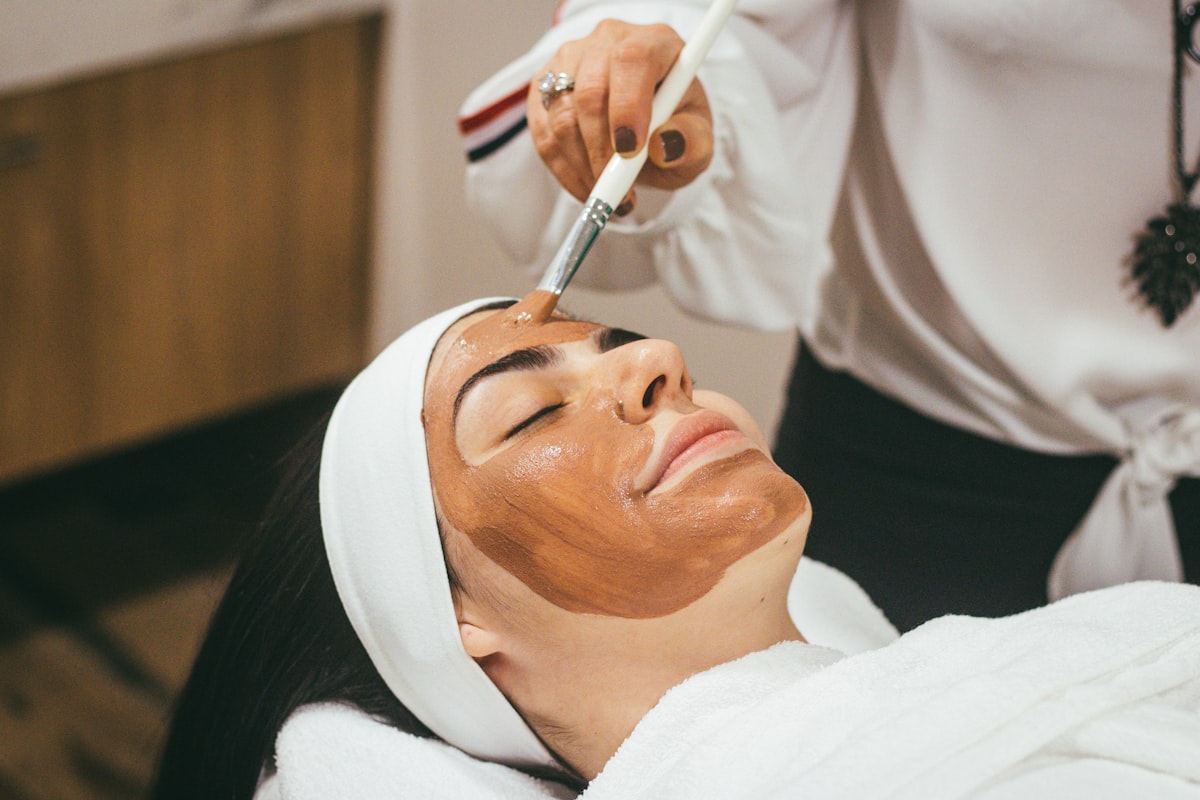
- Medical-Aesthetic Patients: Seeking clinical post-procedure soothing, barrier repair, and physician-strength brightening following peels, microneedling, or laser resurfacing.
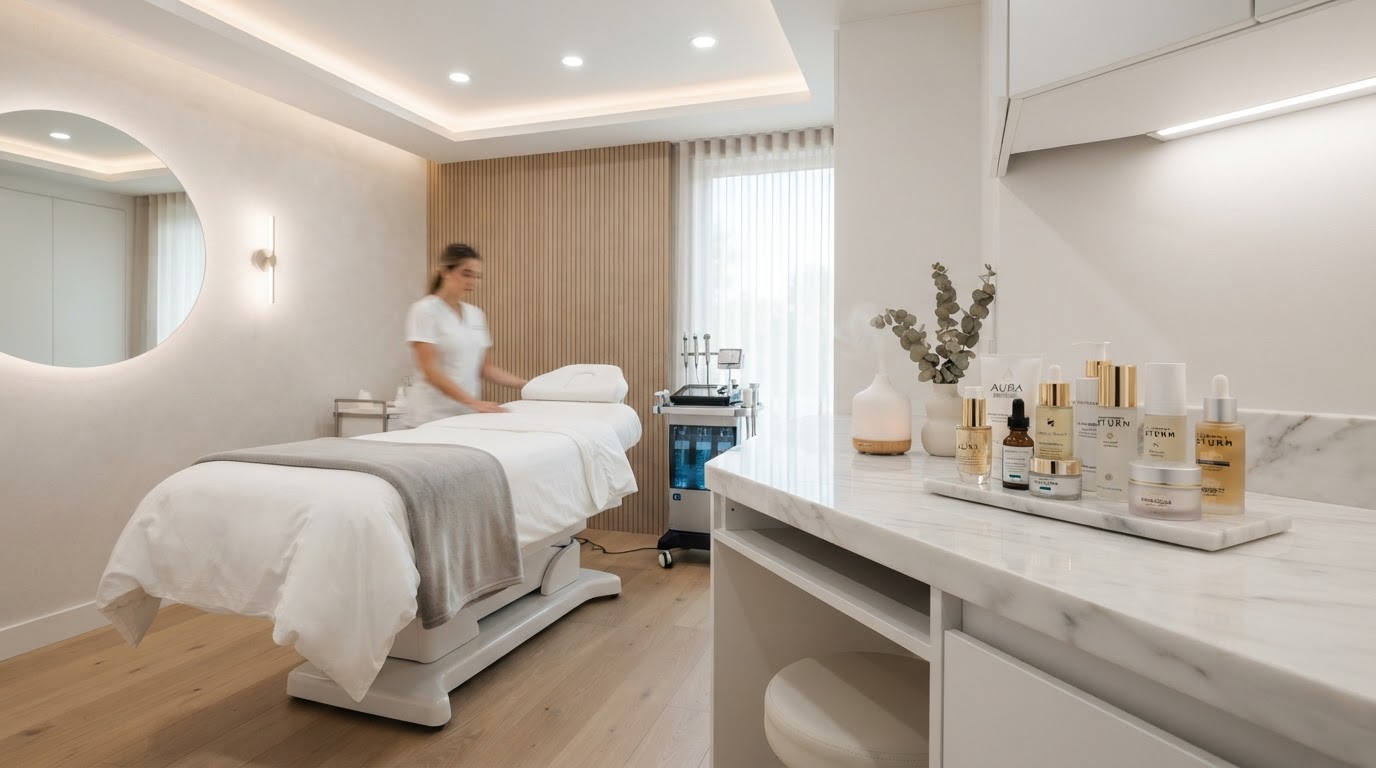
- Med Spa & Day Spa Clients: Desiring luxury homecare experiences that extend facial results with rich textures, clean botanicals, and sensorial aromas.
- Blemish-Conscious Consumers: Looking for targeted salicylic clarifiers, gentle benzoyl peroxide washes, and exfoliating treatment pads that clarify without causing redness or flaking.
- Mature or Age-Conscious Clients: Demanding high concentrations of Vitamin C, multi-weight Hyaluronic Acid, Retinol, and firming peptides for skin tone uniformity and smoothing.
Phase 2: Curating Your Initial Hero Regimen
One of the most common mistakes new founders make is trying to launch with 15 or 20 products at once. This ties up working capital in slow-moving inventory, complicates marketing messaging, and overwhelms prospective buyers.
Instead, launch with a curated 3-to-5 product core regimen. An ideal starter assortment covers the four universal steps of daily homecare:
| Regimen Step | Recommended Formulation | Primary Cosmetic Benefit |
|---|---|---|
| Step 1: Cleanse | Papain Fruit Enzyme Cleanser | Gently removes impurities and dead surface cells without stripping moisture |
| Step 2: Tone & Rebalance | Fresh Greens or Soothing Toner | Preps the stratum corneum for deeper serum absorption and restores pH |
| Step 3: Correct & Treat | Vitamin CE Serum with Ferulic Acid | Provides potent antioxidant defense, visible brightening, and collagen support |
| Step 4: Hydrate & Protect | Oil Free Moisturizer or Tinted SPF 30+ | Locks in hydration and defends against daily environmental UV exposure |
Phase 3: Formulation Evaluation & Physical Sampling
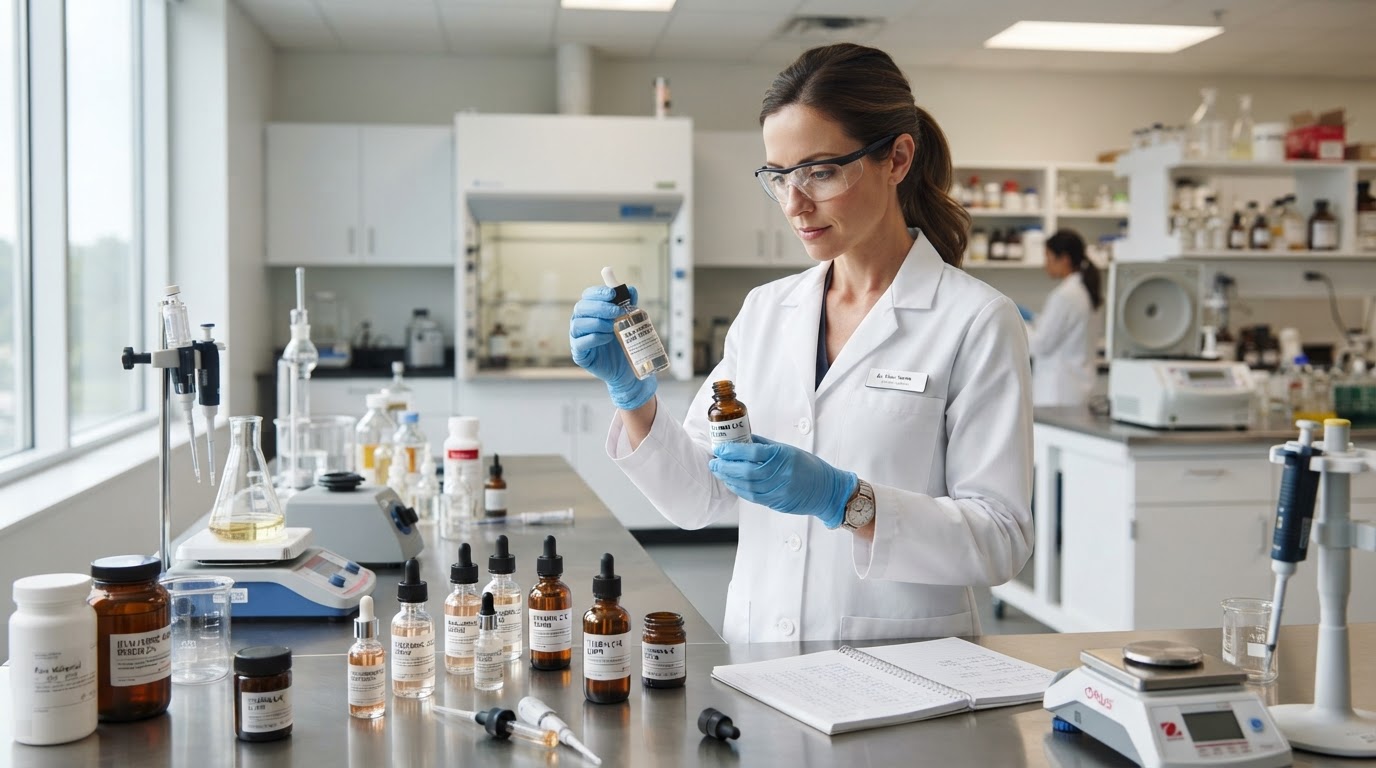
Never build a brand around ingredient lists on a PDF alone. Physical sampling is the most important quality gate in private-label skincare.
When evaluating samples from Inspira Skin's $5.00 sample shop, inspect four critical attributes:
- Texture and Slip: Does the product glide effortlessly across skin without tacky residue or pilling when layered beneath makeup or SPF?
- Absorption Speed: Serums should absorb within 30 to 60 seconds; rich moisturizers should leave a soft, velvety barrier feel without greasy shine.
- Scent Profile: Clean formulations use natural botanical extracts or remain fragrance-free, which is especially critical for sensitive or post-procedure skin.
- Package Dispensing: Test the formulation through its intended pump or dropper to ensure clean, consistent dosing.
Phase 4: Packaging Suites & Waterproof Label Artwork
In the beauty industry, packaging communicates value before the client ever pumps the product. Furthermore, skincare packaging must withstand harsh daily environments: steamy showers, oily hands, and purse travel.
Inspira Skin provides standard in-stock packaging suites designed to control costs and eliminate months-long overseas transit delays:
- Clean Clinical White Suite: Airless pump bottles and matching jars that signal dermatologist authority and clean medical aesthetics.
- Midnight Matte Black Suite: High-contrast, upscale containers preferred by luxury aesthetic clinics and high-end men's grooming lines.
- Frosted Glass & Silver Chrome: Elegant apothecary aesthetic ideal for premium active serums, beauty oils, and facial mists.
- Waterproof Vinyl Labels: Impervious to water, alcohol, and oil exposure so your practice logo never peels, bleeds, or smudges on a client's vanity.
Phase 5: Production, Compliance & Launch Marketing
Once you approve your final product proofs, Inspira Skin handles precision batch manufacturing, filling, and labeling under rigorous U.S. cosmetic standards. First orders generally ship in approximately 4 weeks, with reorders moving even faster.
As production wraps, prepare your launch ecosystem:
- Staff Education: Train your aesthetic team, estheticians, and receptionists on regimen pairings so product recommendations happen naturally during checkout.
- Marketing Collateral: Utilize branded product catalogs, treatment intake forms, and regimen prescription pads to guide patient routines.
- Digital Presence: Build an e-commerce storefront or dedicated landing page so patients can effortlessly reorder their homecare between clinic visits.
Frequently Asked Questions About Starting a Skincare Line
Can I start a skincare line with no prior experience?
Yes. Inspira Skin's turnkey private-label model provides proven formulations, packaging, and label support so you do not need cosmetic chemistry or manufacturing backgrounds.
What is the difference between private label and custom formulation?
Private label uses pre-tested, market-ready formulations that launch in 3 to 6 weeks at low minimum investments. Custom formulation builds an entirely bespoke formula from scratch, requiring 6 to 18 months of stability testing and significantly higher capital.
How much profit margin can I expect?
Practice-branded private-label skincare typically yields retail gross margins of 60% to 75%, compared to 40% to 50% for national wholesale brands that patients can easily price-shop online.
Ready to Build Your Brand?
Schedule a private-label skincare consultation to review sample kits, discuss active ingredients, and map out your launch timeline.